
 Yellow watermelon isn’t “unripe” red watermelon. It’s actually the older variety. Early African and Middle Eastern watermelons often had pale yellow flesh before selective breeding popularized the red types we see today. Yellow watermelon traces back to older African melon varieties, where pale and golden-fleshed melons were cultivated long before the red varieties became dominant in American markets.
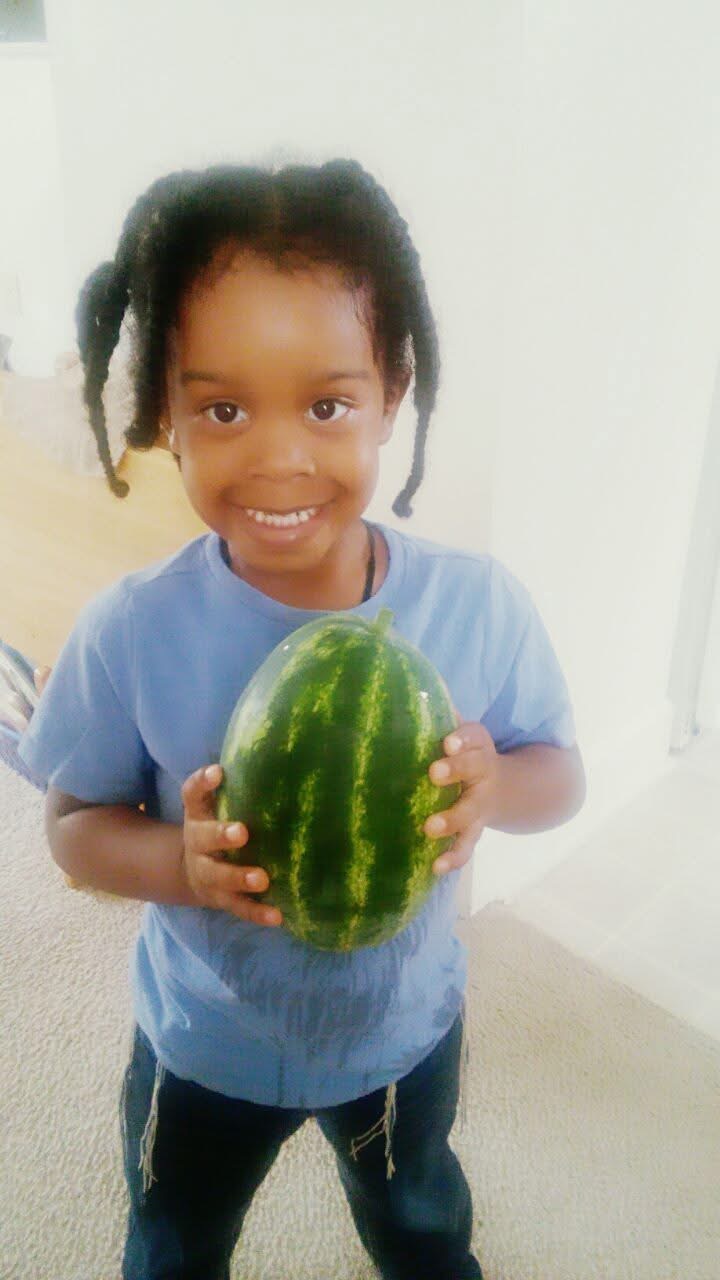
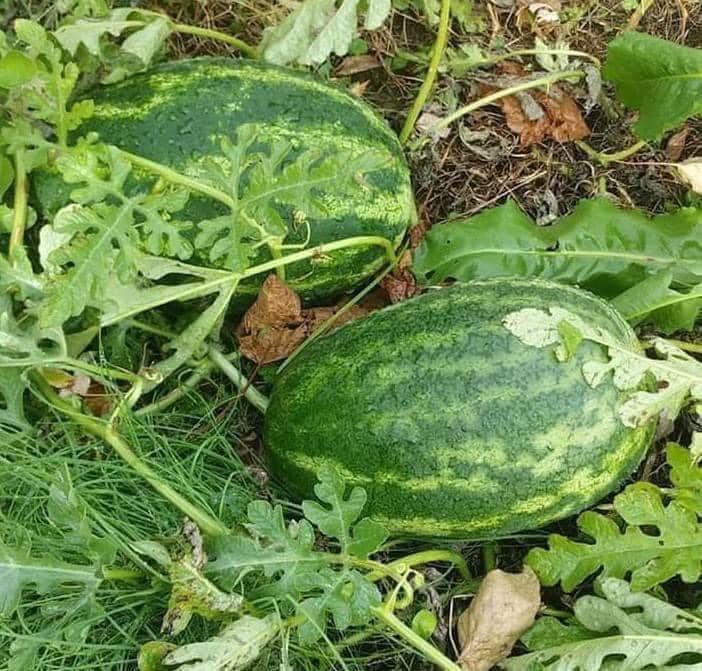
When Africans were brought to the Americas, seeds, agricultural knowledge, and cultivation practices traveled with them. Watermelon became both food and field crop in the South, with yellow varieties preserving older genetic lines. By the 1700s and 1800s, watermelon—red and yellow—was widely grown in Black farming communities.
It provided hydration during extreme heat, natural sugars for quick energy, and minerals like potassium to replace what was lost through sweat. In hot Southern summers, melon wasn’t just refreshment—it was practical survival against dehydration and exhaustion. Our people have been growing and eating watermelon for centuries as seasonal nourishment that cooled the body and restored fluids. It wasn’t eaten year-round… it was respected as summer medicine. Yellow watermelon reminds us that ancestral foodways carried deeper agricultural memory, even when the color changed.
#ItsInOurROOTS
#PsalmsandPotions
#BackyardHealing

No comments:
Post a Comment